How to Include – FEEL
Here’s a useful framework I’ve come up with for thinking about inclusion.
When we (as leaders) are trying to include people who are different from us, we need to FEEL. This is particularly written for including autistic people, but it can apply much more widely.
Flexibility
The idea of a standard pathway through anything rests on the assumption of a ‘standard person’, which is both theologically flawed (because we’re all fallen in different ways) and discriminatory in favour of people who work like that person. People are more important than systems, so value people properly and don’t have single standard pathways for engaging with things.
EMPATHY
Contrary to stereotypes, autistic people’s difficulties are far more often caused by neurotypical people failing to empathise with them than by their own failures in empathy. Take time to listen to and try to understand what it’s like to be the other person and then treat them like you would want to be treated in their situation.
Empowerment
Autistic people (and other minority groups) often suffer from rejection trauma and from fear of putting themselves forwards because of how they have been treated in the past. That’s especially true around employment; the unemployment rate for autistic people without other disabilities is a whopping 70%; autistic graduates are the single group in society most likely to be overqualified for their jobs. Leaders need to redress this by being pro-active in empowering neurodivergent people, encouraging them, and enabling their voices to be heard.
Leadership
The culture of an organisation is the responsibility of the leader; they set the culture largely by what they tolerate. If they tolerate sexism, the culture will be sexist. If they tolerate people tutting at noisy children, the culture will not be inclusive towards noisy children.

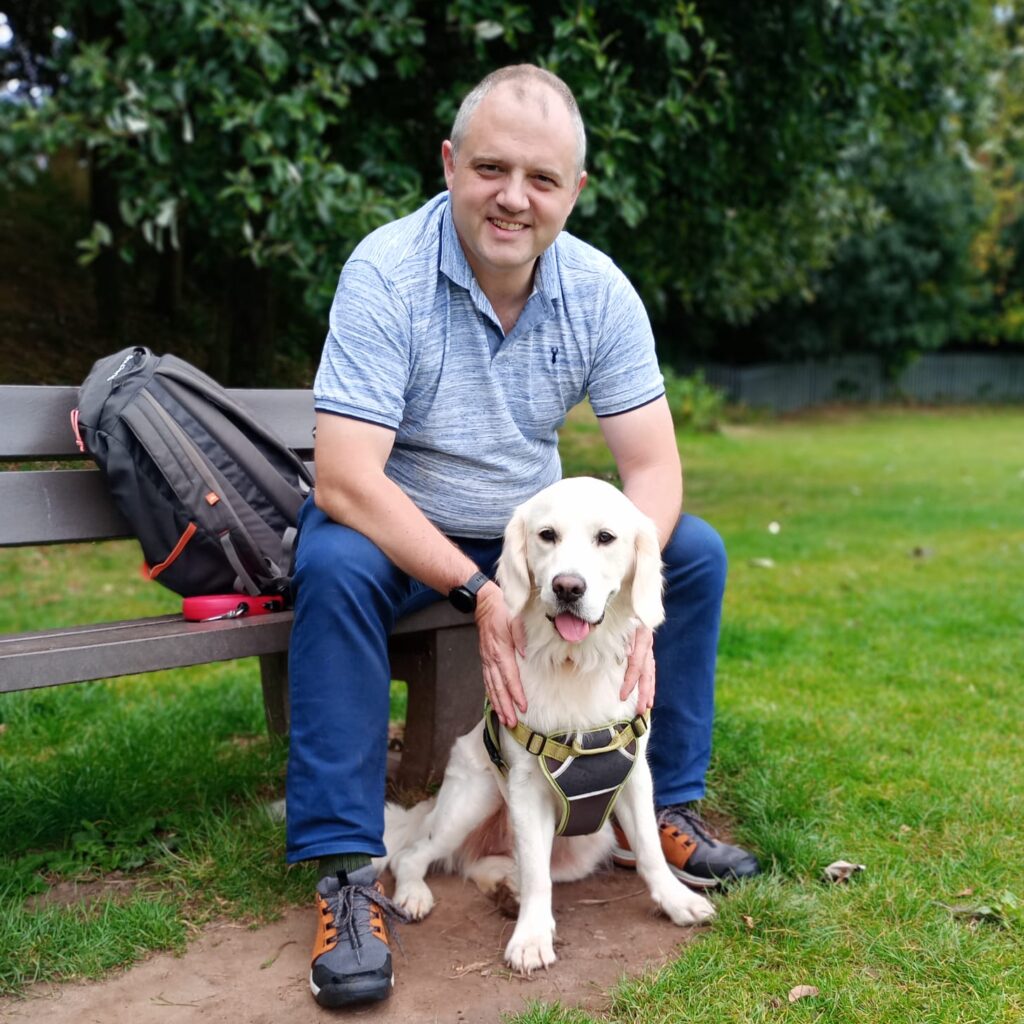
John Allister
John Allister is the vicar of St Jude’s Church in Nottingham, England.
He is autistic, and has degrees in Theology and Experimental & Theoretical Physics.