
Designing Spaces Inclusively
There’s an interesting academic paper here entitled “Ten questions concerning autism and auditory accessibility in buildings” (HT to CRAE).
research on creating more acoustically-inclusive equipment or spaces for [autistic people] is still limited, leading to shortcomings in existing acoustic design standards, which do not consider such sensory processing differences
I think this is important. Personally speaking, I find it really hard to be in an indoors public space such as a shopping centre or hospital. Knowing that they were built in a way that didn’t take account of people like me helps to explain it. I think it’s important to consider the needs of people in wheelchairs when designing buildings – they are now accounted for in building regulations. I also think it’s important to consider the needs of autistic people.
The recommendations, as distilled by CRAE, are as follows:
Possible adjustments for sounds:
- Background noises should be minimised during work or study.
- Include quiet areas or neutral spaces with as little ambient noise as possible.
- Incorporate calming, natural sounds (e.g., streams, rustling trees) in certain areas.
- Use sound-absorbing materials.
- Avoid sudden, unpredictable noises, such as alarms or automatic doors.
They also recommend:
- Offer adjustable lighting options to accommodate personal preference.
- Maximise natural lighting and use indirect lighting to avoid glares and flicker.
- Use neutral colours and environments to avoid sensory overload.
- Ensure predictable and clear layouts.
- Consider air temperature, air quality, ventilation and other factors.
- Use tactile-friendly materials that are non-distracting.
- Consider in future research how lights may impact circadian rhythm for autistic individuals.

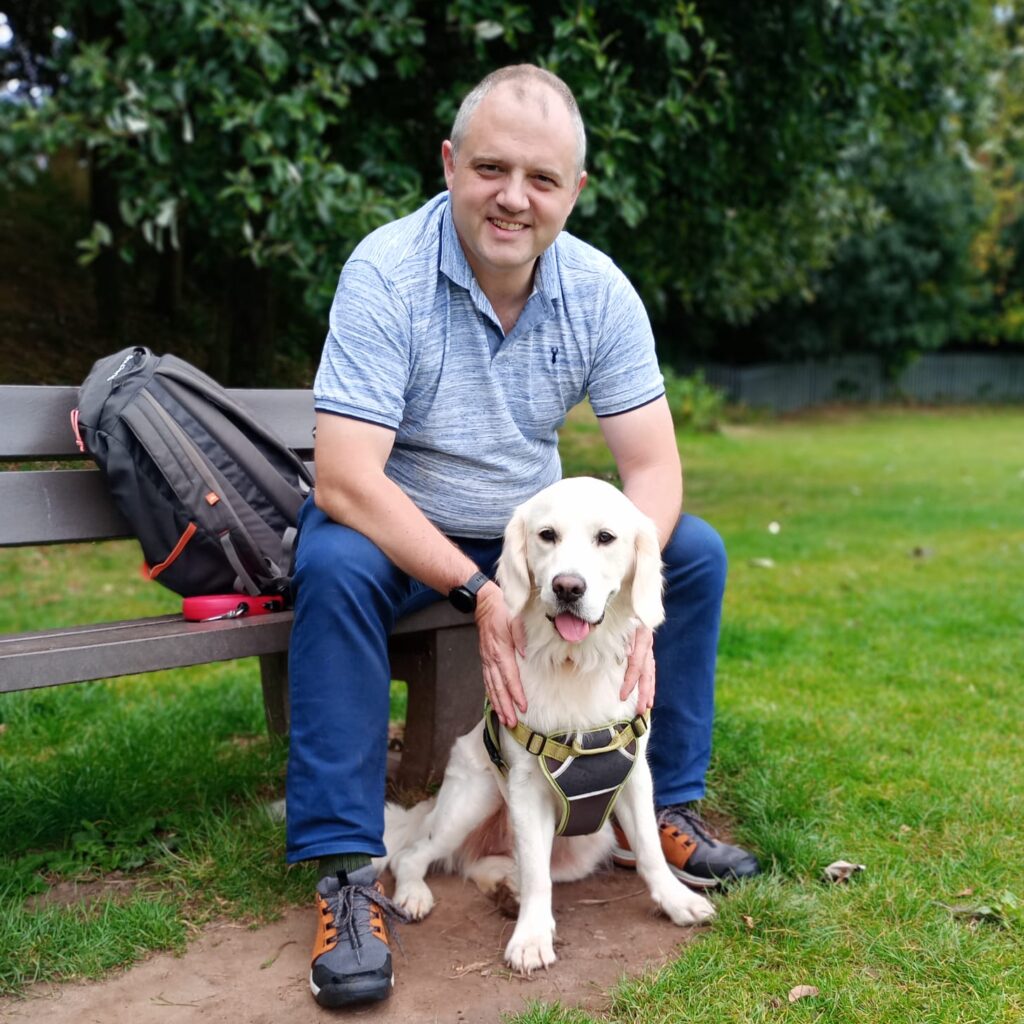
John Allister
John Allister is the vicar of St Jude’s Church in Nottingham, England.
He is autistic, and has degrees in Theology and Experimental & Theoretical Physics.